An icon of Italian summer, a fresh and bubbly drink that combines the kick of espresso with the pleasure of a...
Latest posts
-
 Caffè Shakerato: An Italian Invention with a Modern FlavorRead more
 -
 From the Steam Engine to the Daily Ritual: The Birth of EspressoRead more
The roots of espresso sink into the industrial ferment of the late 19th century in Turin. The invention of the first...
-
 Coffee and White Chocolate Cake: A Harmony of Delicate FlavorsRead more
This soft and refined cake celebrates the perfect meeting between the intense aroma of coffee and the enveloping...
-
 The Art of Optimizing Your Automatic Machine for a Perfect EspressoRead more
Super-automatic machines represent a convenient and quick solution for enjoying an espresso at home or in the office....
-
 Cappuccino Perfect Made at Home: A Little Daily LuxuryRead more
The secrets to preparing a creamy and delicious cappuccino right in your kitchen. Forget the long lines at the café;...
-
 Bicerin: The Delicious Tricolor in a Cup from TurinRead more
If you are lovers of coffee and spoon desserts, get ready to fall in love with the Bicerin, a historic and delicious...
-
 The Domestic Ritual: The Perfect Recipe for Espresso Coffee at HomeRead more
Espresso, that little sip of pure energy and aromatic pleasure, is not exclusive to the café around the corner. With...
-
 The Last Caress of Coffee: Exploring the AftertasteRead more
When we sip a cup of coffee, our attention often focuses on the initial impact of the flavors and aromas. But there...
-
 The Taste of Coffee: A Journey from Plant to Cup (and How to Recognize Quality)Read more
How can we, as simple enthusiasts, understand the quality of a bean through its expression in the cup? Prepare your...
-
 The taste in coffee. A complex conceptRead more
Let's delve into the concept of Flavor in the context of sensory analysis of coffee. Imagine "Flavor" as the beating...
Blog categories
Search in blog
Archived posts
Coffee Strong or Light: Not Just a Matter of Caffeine
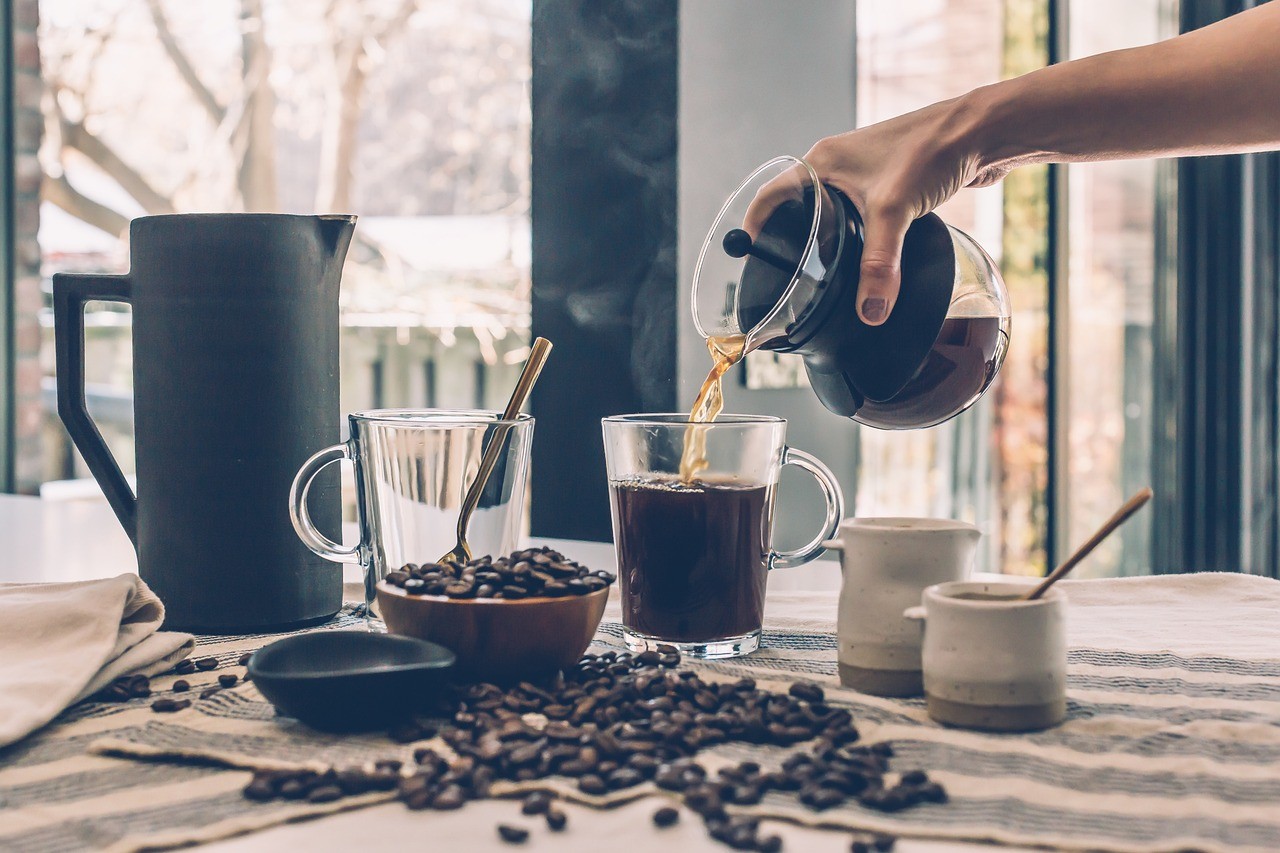
When we find ourselves in front of a coffee, one of the first descriptions we often hear or use is whether it is "strong" or "light." But what do these terms actually mean in the world of coffee? It's not just about the amount of caffeine, but a combination of factors that influence our sensory perception.
Strong Coffee: An Explosion of Intensity
A coffee defined as "strong" is characterized by an intense and decisive sensory experience. This intensity can manifest in various ways:
- Pronounced Flavor: A strong coffee tends to have marked flavors, often with more evident bitter notes, hints of intense roast, dark chocolate, dark spices, or even a slight "smoky" note.
- Full Body: As explained in a previous article, body refers to the tactile sensation of coffee in the mouth. A strong coffee often has a full and round body, leaving a persistent and "heavy" sensation.
- Intense Aroma: The aroma of a strong coffee is powerful and enveloping, with notes that often reflect the characteristics of the flavor.
- Perception of Caffeine: Although it is not the only factor, a strong coffee can actually contain a higher amount of caffeine, especially if made with Robusta varieties or with a high coffee-to-water ratio. However, the perceived "strength" is more related to the overall flavor profile.
- Concentrated Extraction: Preparation methods like espresso, when done well, tend to produce concentrated coffee and are therefore perceived as stronger in taste.
In summary, a strong coffee is a bold and impactful sensory experience that stimulates the palate with decisive flavors and leaves a lingering sensation.
Light Coffee: Delicacy and Nuances
On the contrary, a "light" coffee offers a more delicate and subtle experience:
- Delicate Flavor: Light coffees present more muted and nuanced flavors. Fruity, floral, citrus, tea, or cereal notes can often be perceived. Bitterness is generally less pronounced and more balanced by a pleasant acidity.
- Light or Medium Body: The sensation in the mouth of a light coffee is often more similar to water or a light tea, resulting in a clean and smooth experience. It can have a medium body, but rarely reaches the fullness of a strong coffee.
- Subtle Aroma: The aroma of a light coffee is more delicate and may require greater attention to distinguish its various nuances.
- Less Perception of Bitterness: Bitterness is generally less dominant in light coffees, leaving room for other aromatic notes.
- Diluted Extraction: Preparation methods such as filter (V60, Chemex) tend to produce lighter coffees in body and flavor, as the water passes through the grounds for a longer time and the filtration retains some of the oils.
In summary, a light coffee is a refined and nuanced sensory experience that invites the discovery of delicate aromas and offers a clean sensation on the palate.
Not Just Black or White: A Matter of Preferences and Origins
It is important to emphasize that the "strength" or "lightness" of a coffee are not absolute indicators of quality. Both categories can offer exceptional experiences depending on personal preferences and the intrinsic characteristics of the beans.
Different geographical origins and processing methods significantly influence the aromatic profile and body of the coffee, naturally leading to coffees that tend towards "strength" or "lightness". For example, many washed Arabica coffees from East Africa are appreciated for their lightness and fruity acidity, while some Indonesian Robusta can offer notable strength and body.
In conclusion, defining a coffee as "strong" or "light" goes beyond the simple amount of caffeine. It is a complex balance of taste, body, and aroma that contributes to the unique experience of each cup. The next time you taste a coffee, try to identify its "strength" or "lightness" by paying attention to these different characteristics.
Related posts
-
 Bitter Chocolate Terrine with Coffee Cream
A soft cake with a delicate flavor in which the taste of coffee and of chocolate blend perfectly.Read more
Bitter Chocolate Terrine with Coffee Cream
A soft cake with a delicate flavor in which the taste of coffee and of chocolate blend perfectly.Read more -
 Discover coffee with all the senses
Have you ever thought that tasting a coffee can be an experience similar to that of a sommelier with wine? It's not...Read more
Discover coffee with all the senses
Have you ever thought that tasting a coffee can be an experience similar to that of a sommelier with wine? It's not...Read more -
 BAVARIAN COFFEE CAKE
A fresh and summery dessert made with espresso coffeeRead more
BAVARIAN COFFEE CAKE
A fresh and summery dessert made with espresso coffeeRead more -
 The acidity in coffee: a journey between taste and perceptions
The level of acidity in coffee; a quality or a flaw? A journey through taste and perceptionsRead more
The acidity in coffee: a journey between taste and perceptions
The level of acidity in coffee; a quality or a flaw? A journey through taste and perceptionsRead more -
 Beyond the Cup: The Unexpected Potential of Coffee in the Circular Economy
Coffee has much more to offer beyond the simple moment of pleasure. Once its role in the cup is exhausted, coffee can...Read more
Beyond the Cup: The Unexpected Potential of Coffee in the Circular Economy
Coffee has much more to offer beyond the simple moment of pleasure. Once its role in the cup is exhausted, coffee can...Read more
Leave a comment